
Ready to try readers in a drop?

You’ve noticed it.
You’ve adjusted.

Now, let’s do something about it.

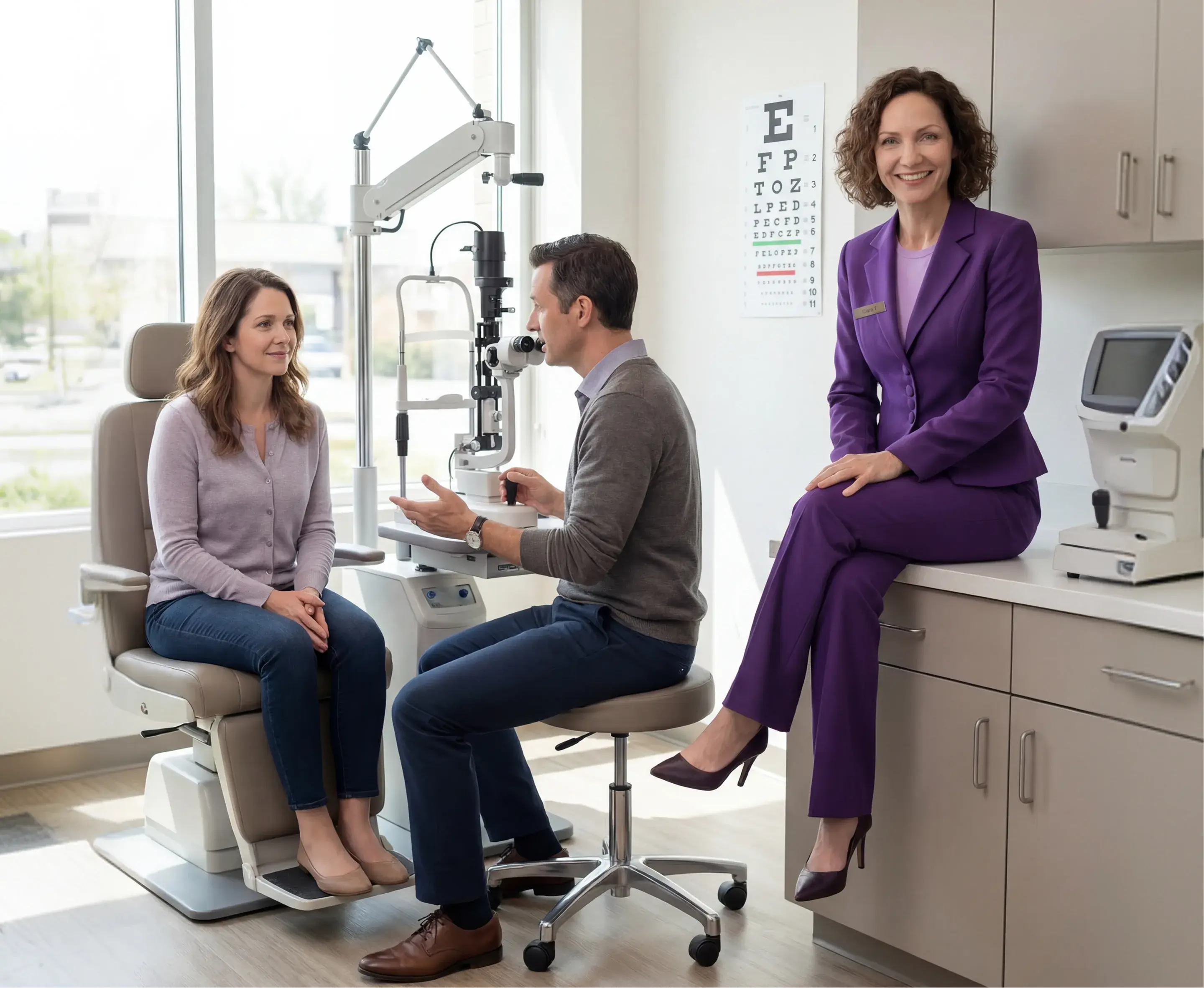
Clara T. holding a box of Qlosi

You don’t need to rehearse. But having a few lines ready makes the conversation easier

You don’t need to rehearse. But having a few lines ready makes the conversation easier ”

What to say at your appointment

You don’t need to have it perfectly worded. You just need to start the conversation.

Clara T.

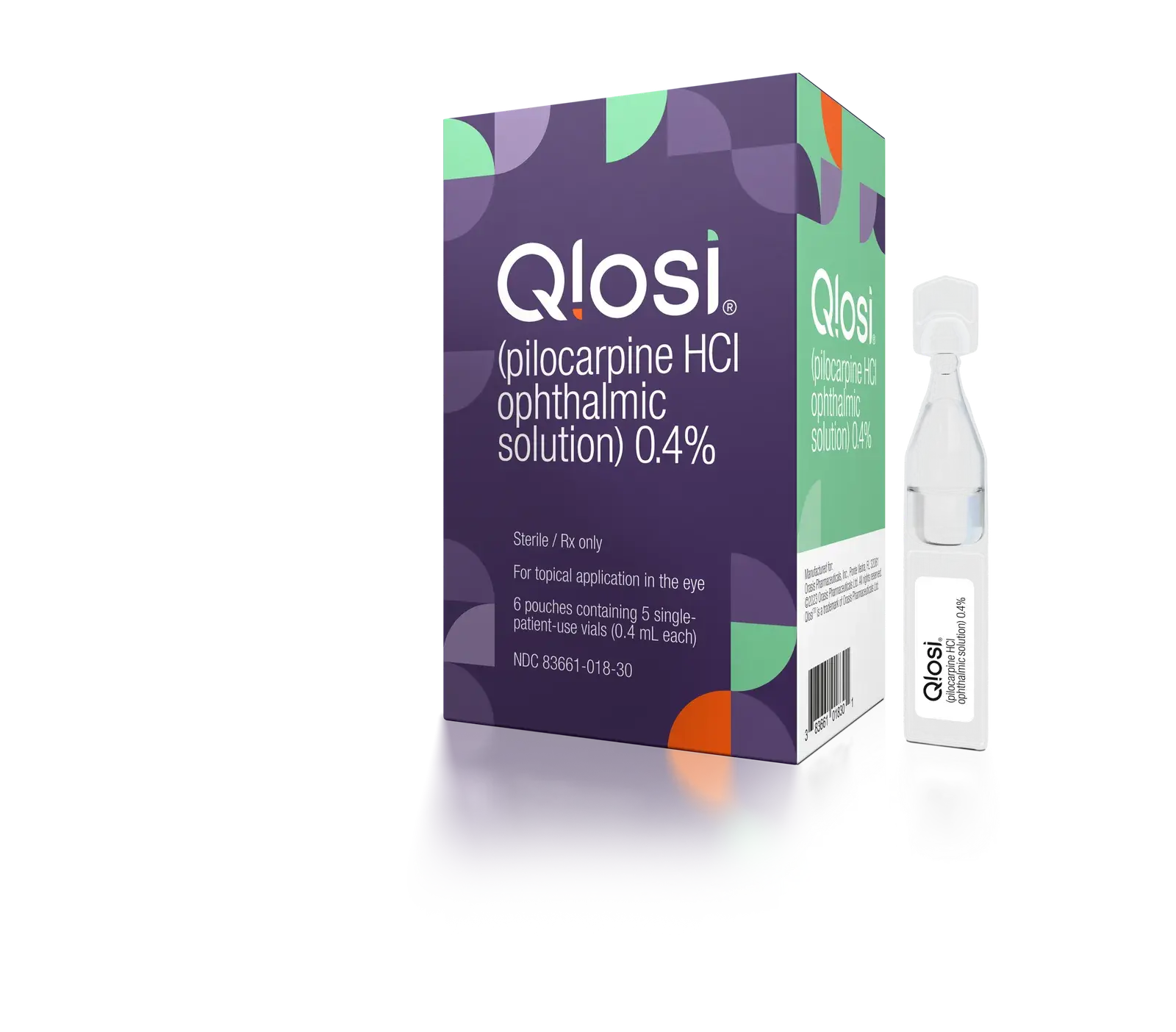
By mentioning Qlosi by name
and asking for a trial, you make
it easy for your doctor to say yes

By mentioning Qlosi by name and asking for a trial, you make it easy for your doctor to say yes ”

Five things you might mention:

Your daily struggles—and be specific

“I hold my phone at arm’s length to read texts.”
“I increased my font size several times this year.”
“I can’t read my computer screen without leaning back.”
How it’s affecting your life

“This is affecting my work and my hobbies.” Doctors respond to the full picture, so let them know how this makes you feel.

That you’d like an option besides readers

“I don’t want to carry glasses everywhere. I’d like to know what else is out there.”

That you’ve heard about Qlosi

“I’ve heard about a prescription eye drop called Qlosi. Can we talk about whether it might be right for me?”

Ask directly

“Would it be possible to try Qlosi? I’d love to see if it works for me.”

Clarity starts with a conversation

You: “I’ve been struggling to see things up close. My phone screen, computer, even nutrition labels. I’ve read about a prescription eye drop called Qlosi. Is it something that might work for me?”

Your doctor: “That sounds like presbyopia. It’s common. I’m familiar with Qlosi. Talk to me some more about your symptoms and let’s see if it’s a good fit.”

You: “I’d really like to try it. I like that it’s preservative-free, and that more than 80% of patients achieved better near vision in clinical studies. Could you prescribe Qlosi for me?”

I’m going to use my Qlosi and put my glasses in my bag.”

Joelle Hamontree, patient
Joelle Hamontree, Qlosi patient

When you read, when you see, you’re more confident. You can let them know what you want.”
Fatima, patient
Fatima, Qlosi patient

I talk incessantly about Qlosi because I really think it is a game changer.”
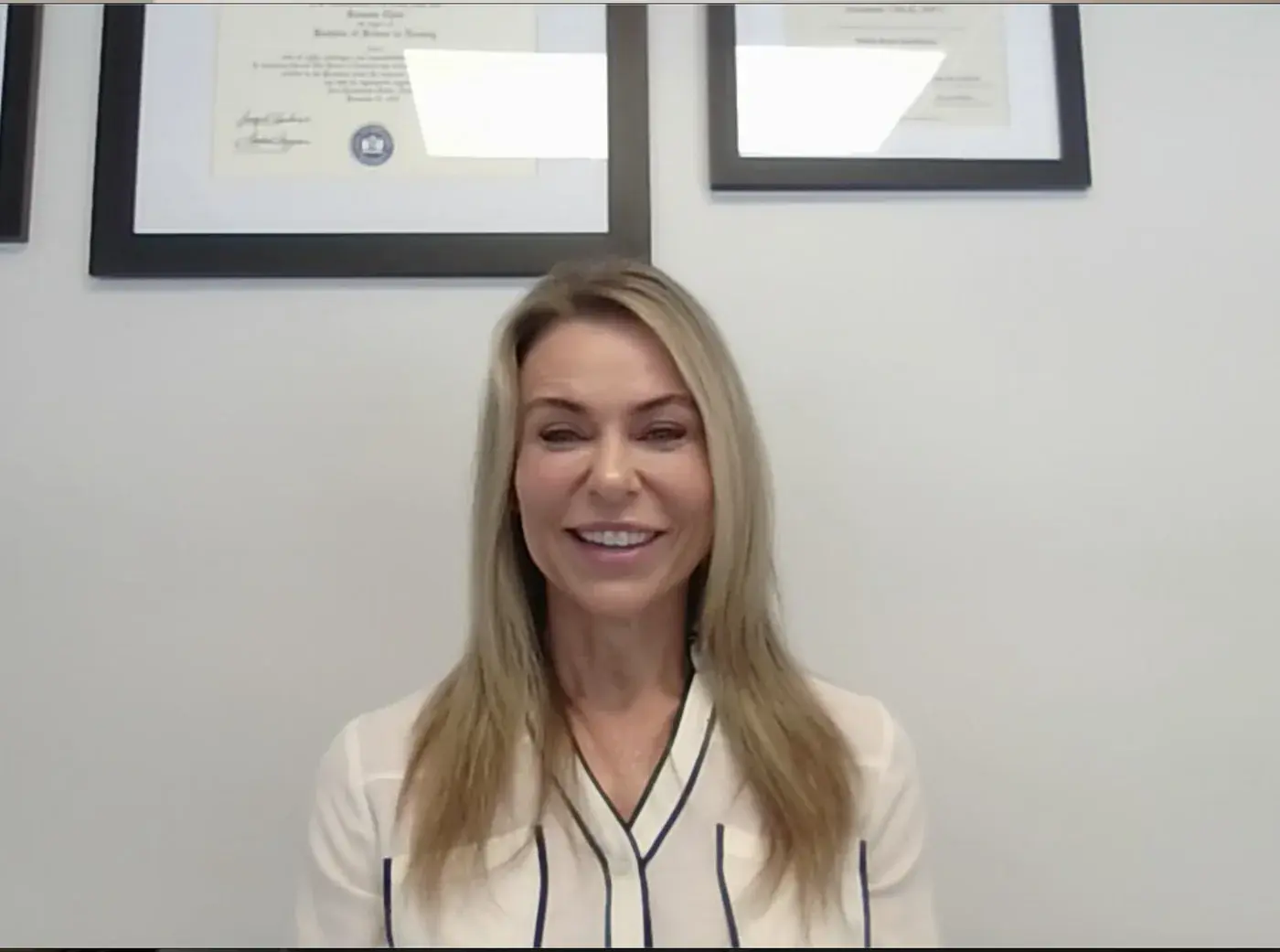
Suzanne, patient
Suzanne, Qlosi patient

Clear near vision starts here

A formulation designed specifically for presbyopia, with the lowest concentration of any FDA-approved miotic.

Not just a lower dose of what came before.

Medically reviewed by Orasis Medical Affairs, including licensed optometrists and ophthalmologistsLast reviewed

Uses

Qlosi (pilocarpine ophthalmic solution) 0.4% is a prescription eye drop used to treat age-related blurry near vision (presbyopia) in adults.

Important Safety Information

  • Do not use Qlosi if you are allergic to any of the ingredients.
  • Use caution when driving at night or performing hazardous activities in poor lighting. Qlosi may cause temporary dim or dark vision.
  • Temporary problems when changing focus between near objects and distant objects may occur. Do not drive or operate machinery if your vision is not clear.
  • Seek immediate medical care if you experience sudden onset of flashes of light, floaters or vision loss.
  • If you wear contact lenses, they should be removed before using Qlosi. Wait 10 minutes after dosing before reinserting your contact lenses.
  • Do not touch the tip of the vial to the eye or any other surface to prevent eye injury or contamination.
  • If you use more than one eye medication, use each medication at least 5 minutes apart.
  • The most common side effects reported with Qlosi in clinical trials (less than 8%) were eye pain upon instillation and headache. These are not all of the possible side effects with Qlosi.

To report suspected side effects, contact Orasis Pharmaceuticals at 1-866-ORASIS-1 or contact the FDA at www.fda.gov/medwatch or call 1-800-FDA-1088.

Please see full Prescribing Information here: qlosi.com/prescribing-information

.